Kansas Statehouse
The State of Kansas
Topeka, Kansas

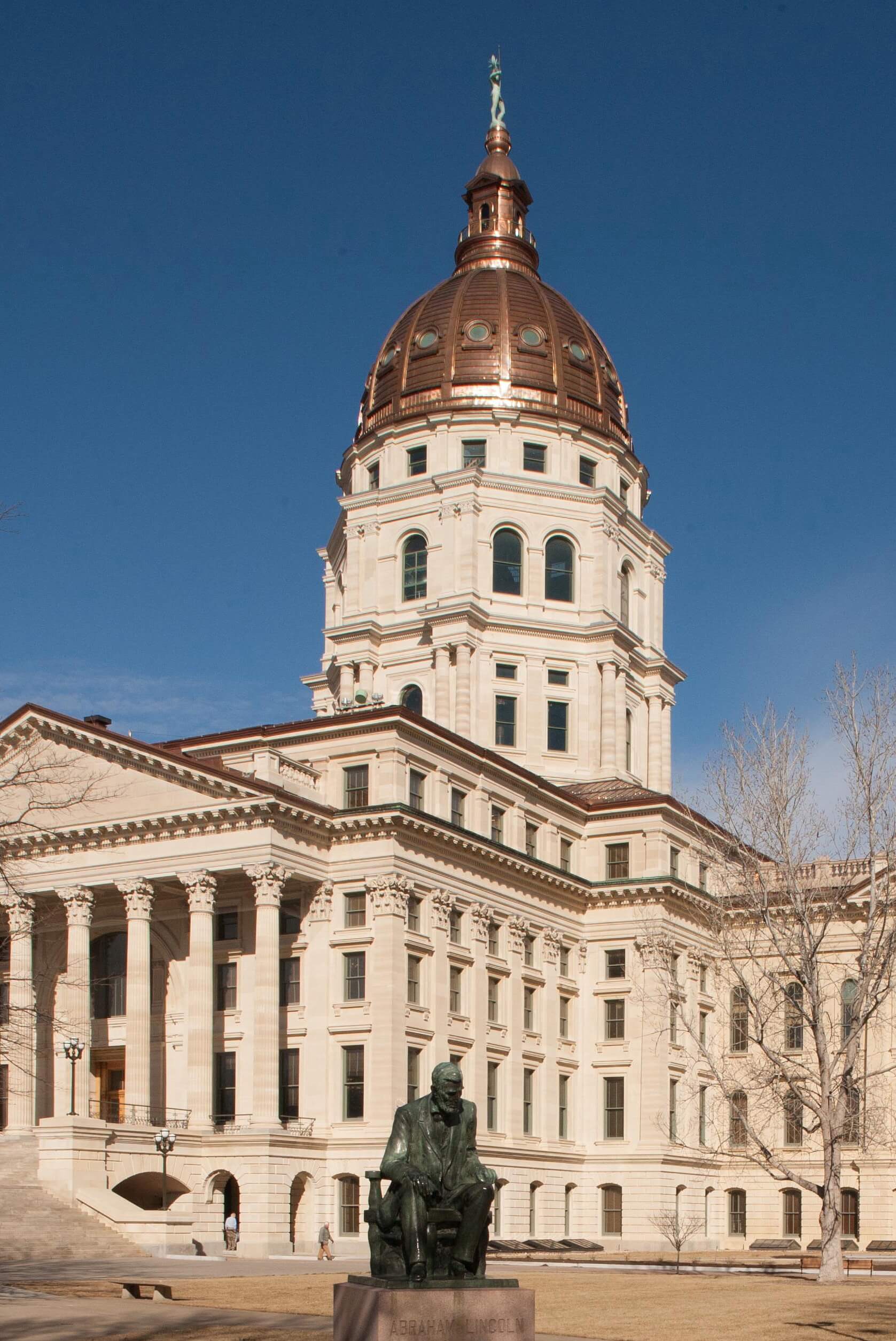
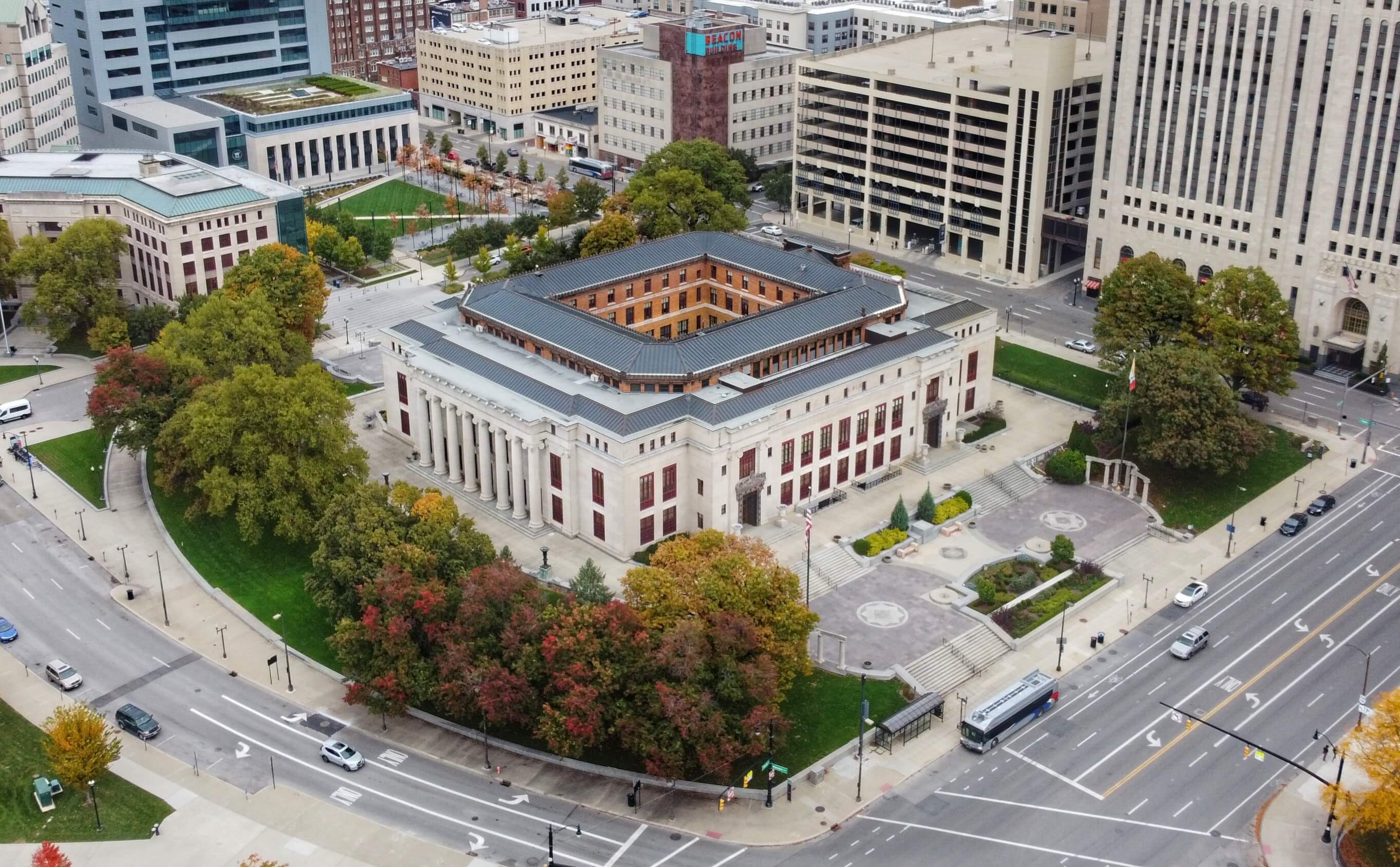
Built in phases between 1866 and 1903, the Kansas Statehouse had, like so many other state capitols, reached a state where it no longer functioned efficiently to support state government. Schooley Caldwell served as design consultants and as the prime MEP engineer to Treanor Architects of Topeka. Through sensitive plan interventions, a series of underground additions, and extensive use of “found space,” the usable area was increased by about 30 percent with no visual impact to the historic appearance of the building. The exception is a subtle ground-level pavilion entrance that provides an accessible main entrance for visitors. The project also included a new 550-car underground parking garage, providing added security and restoring site integrity to a 20-acre site.
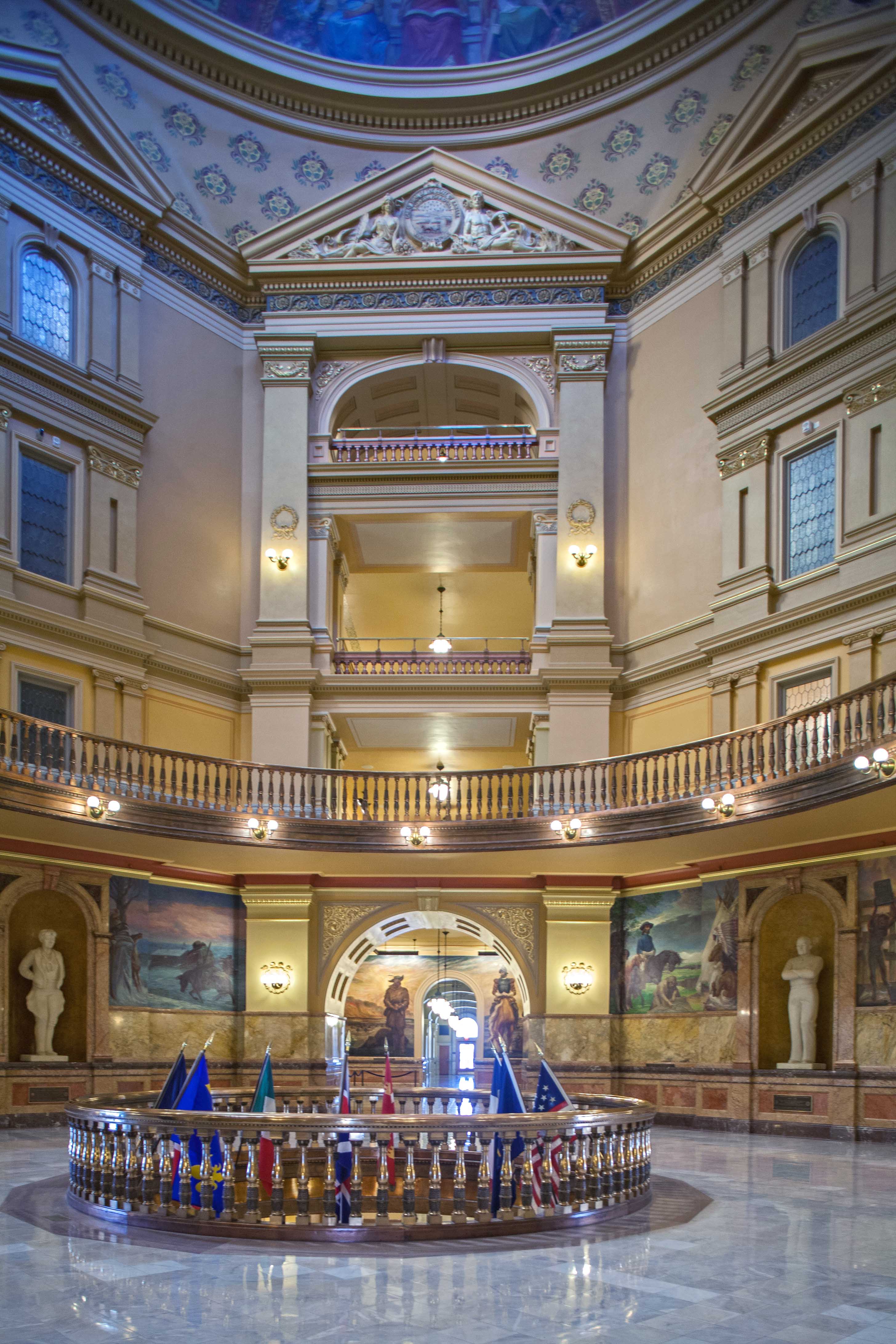
An entire floorplate of usable space was added to the building by converting a former basement into a new ground floor. Natural light was introduced through a series of skylights, and the new space was connected to the old by sensitive stairways inserted into the rotunda/dome structural supports. The ground floor houses extensive visitor spaces, including an auditorium and classroom, museum displays, food service, security, loading docks, and shop spaces, as well as some state agency offices. New mechanical plant equipment is housed in large underground vaults (outside of the building footprint) and in found space in unused attics.
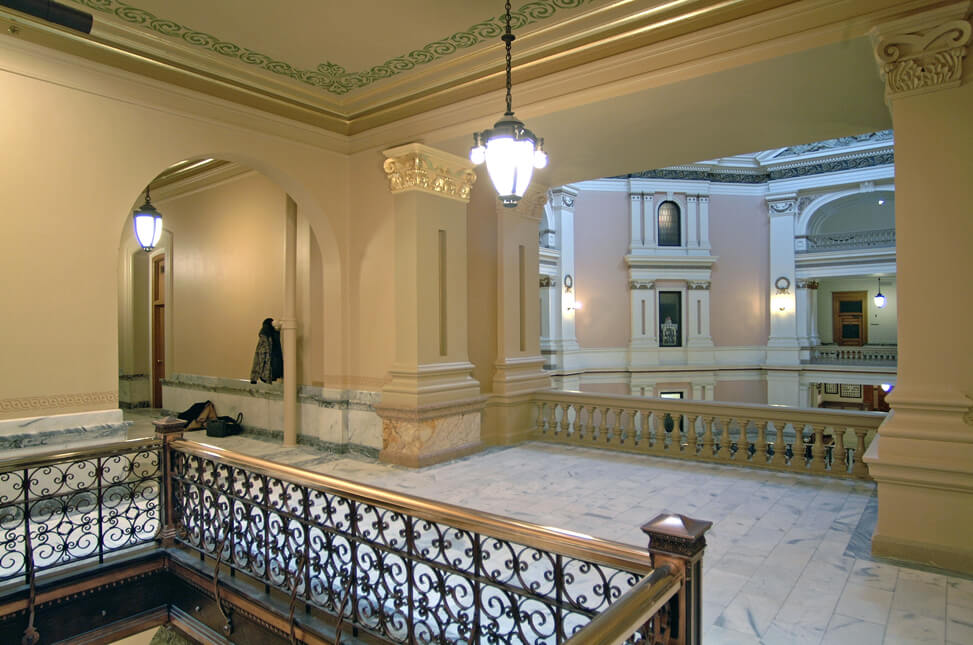
The renovation included adding technology-savvy hearing rooms; office space for legislators; restoration of the House, Senate, and Supreme Court chambers and the State Library; and the addition of accessible restrooms and other service spaces. In addition to all new mechanical and electrical systems, the project also included exterior masonry restoration, new energy-efficient windows, new and restored furnishings, mural and decorative paint conservation, copper roof and dome replacement, and conservation of the Ad Astra statue atop the dome.

Winner of the Building of America Award.